Τρίτη 17 Ιανουαρίου 2023

Outcomes of relapsed/refractory extracranial germ cell tumors treated on conventional salvage chemotherapy without stem cell rescue: Experience from a tertiary cancer center

alexandrossfakianakis shared this article with you from Inoreader

Abstract

Background and aims

Data on the outcome and prognostic indicators in extracranial relapsed/refractory germ cell tumors (rel/ref-GCTs) in children are limited to a few studies. This study looks at remission rates and outcomes of rel/ref-GCTs treated with conventional salvage chemotherapy (SC) regimens without stem cell rescue at a single center in the developing world.

Methods

Patients treated at our center from January 2009 to December 2018 were included. Risk at primary presentation was stratified as all completely excised teratomas and stage I gonadal tumors being low risk (LR); stage IV ovarian, stage III–IV extragonadal GCTs as high risk (HR), and the remaining as intermediate risk (IR). SC regimens were: vinblastine–ifosfamide–cisplatin/carboplatin or paclitaxel–ifosfamide–cisplatin/carboplatin, or cisplatin/carboplatin–etoposide–bleomycin. Local therapy was either surgery and/or radiotherapy.

Results

The analyzable cohort comprised 50 patients (44 = rel-GCTs; 6 = ref-GCTs) with a median age of 3.8 years and male:female ratio of 1.27:1. Primary location was ovary in 16 (32%), testicular in 10 (20%), and extragonadal in the rest (48%). Local, metastatic, and combined progression was noted in 28 (56%), 14 (28%), and eight (16%) patients, respectively, at a median time of 8.5 months. At a median follow-up of 60 months, the 5-year event-free survival (EFS) and overall survival (OS) of the entire cohort (n = 50) were 42.4% and 50.0%, respectively. In patients previously exposed to platinum analogs (n = 38), 5-year-EFS and OS were 27.7% and 31.7%, respectively. Local relapses did better when compared to metastatic and combined relapses (5-year EFS: 64% vs. 23% vs. 0%; p = .009). LR and IR tumors did better compared to HR (5-year EFS: 81.5% vs. 49.3% vs. 6.5%; p = .002). Patients with normalization of t umor markers after two cycles had a superior EFS (57.6% vs. 0%; p < .001). Relapsed tumors fared better than primary refractory GCTs (5-year EFS: 48.6% vs. 0%; p < .001).

Conclusions

Primary refractory GCTs, extragonadal rel-GCTs, and rel/ref-GCTs with a poor biochemical response did poorly with conventional SC and need alternative treatment strategies. The rel/ref-testicular GCTs had the best chance of salvage despite a second recurrence (5-year EFS and OS: 28.60% and 42.90%, respectively).

View on Web

Genomic profiling and precision medicine in complex ameloblastoma

alexandrossfakianakis shared this article with you from Inoreader

Abstract

Background

Ameloblastoma may present a significant treatment challenge in the locally advanced, recurrent and metastatic setting. Comprehensive genomic profiling (CGP) can identify targetable genomic alterations to aid in treatment.

Methods

Ameloblastoma samples were sequenced using hybrid-capture based sequencing. A systematic literature review was performed to examine outcomes in studies employing targeted treatment in ameloblastoma.

Results

We reviewed 14 cases of Ameloblastoma using CGP. There were six patients with activating BRAF mutations, five with PIK3CA, five with SMO, four with FGFR2, one with EGFR, and one with ROS1. All cases were MSI stable and the median TMB was 2.5 mutations/Mb. A separate literature review of clinical outcomes in ameloblastoma showed a predominance of at least partial response to targeted treatment (7/12 cases).

Conclusion

CGP is helpful in identifying specific driver mutations in patients with complex ameloblastoma. Targeted treatment has been employed with success in achieving treatment response.

View on Web

Exogenous fetuin‐A protects against sepsis‐induced myocardial injury by inhibiting oxidative stress and inflammation in mice

alexandrossfakianakis shared this article with you from Inoreader

Abstract

Sepsis-induced myocardial injury is a consequence of septicemia and is one of the major causes of death in intensive care units. A serum glycoprotein called fetuin-A is secreted largely by the liver, tongue, placenta, and adipose tissue. Fetuin-A has a variety of biological and pharmacological properties. The anti-inflammatory and antioxidant glycoprotein fetuin-A has shown its efficacy in a number of inflammatory disorders including sepsis. However, its protective role against sepsis-induced myocardial injury remains elusive. The purpose of this work is to explore the role of fetuin-A in mouse models of myocardial injury brought on by cecal ligation and puncture (CLP). CLP significantly induced the myocardial injury assessed in terms of elevated myocardial markers (serum CK-MB, cTnI levels), inflammatory markers (IL-6, TNF-α) in the serum, and oxidative stress markers (increased MDA levels and decreased reduced glutathione) in heart tissue homogenate following 24 hours of ligati on and puncture. Further, hematoxylin and eosin (H&E) staining showed considerable histological alterations in the myocardial tissue of sepsis-developed mice. Interestingly, fetuin-A pretreatment (50 and 100 mg/kg) for four days before the CLP procedure significantly improved the myocardial injury and was evaluated in perspective of a reduction in the CK-MB, cTnI levels, IL-6, and TNF-α in sepsis-developed animals. Fetuin-A pretreatment significantly attenuated the oxidative stress and improved the myocardial morphology in a dose-dependent manner. The present study provides preliminary evidence that fetuin-A exerts protection against sepsis-induced cardiac dysfunction in vivo via suppression of inflammation and oxidative damage.

View on Web

Cardia and non‐cardia gastric cancer risk associated with Helicobacter pylori in East Asia and the West: A systematic review, meta‐analysis, and estimation of population attributable fraction

alexandrossfakianakis shared this article with you from Inoreader

Abstract

Objectives

To assess the region-specific relative risk of cardia/non-cardia gastric cancer (CGC/NCGC) associated with Helicobacter pylori (H. pylori) and quantify its contribution to gastric cancer burden using population attributable fraction (PAF).

Methods

PubMed, EMBASE, Web of Science, and Cochrane Central databases were searched by two reviewers until April 20, 2022. The association between H. pylori infection and NCGC/CGC was assessed using pooled odds ratios (ORs) with 95% confidence intervals (CIs). PAF was calculated using the formula of H. pylori prevalence and the pooled OR.

Results

One hundred and eight studies were included. A significant association was observed between H. pylori infection and NCGC in East Asia (OR, 4.36; 95% CI: 3.54–5.37) and the West (OR, 4.03; 95% CI: 2.59–6.27). Regarding CGC, a significant association was found only in East Asia (OR, 2.86; 95% CI: 2.26–3.63), not in the West (OR, 0.80; 95% CI: 0.61–1.05). For studies with a follow-up time of ≥10 years, pooled ORs for NCGC and CGC in East Asia were 5.58 (95% CI: 4.08–7.64) and 3.86 (95% CI: 2.69–5.55), respectively. Pooled OR for NCGC was 6.80 (95% CI: 3.78–12.25) in the West. PAFs showed that H. pylori infection accounted for 71.2% of NCGC, 60.7% of CGC in East Asia, and 73.2% of NCGC in the West.

Conclusions

Gastric cancer burden associated with H. pylori infection exhibits important geographical differences. Prolonged follow-up period could overcome the underestimation of the magnitude of the association between H. pylori infection and CGC/NCGC. Customized strategies for H. pylori screening and eradication should be implemented to prevent gastric cancer.

View on Web

Δευτέρα 16 Ιανουαρίου 2023

Adjunctive locally and systemically delivered antimicrobials during surgical treatment of peri‐implantitis: a systematic review

alexandrossfakianakis shared this article with you from Inoreader

Abstract

Aim

To answer the following PICOS question: In patients with peri-implantitis, what is the efficacy of surgical therapy with adjunctive systemic or local antimicrobials, in comparison with surgical therapy alone, in terms of pocket probing depth reduction, as assessed in randomized controlled trials (RCTs) with at least 6 months of follow-up?

Material and methods

A systematic literature search was conducted. Reduction in mean probing pocket depth was the primary outcome. Secondary clinical outcomes were changes in suppuration (%), changes in bleeding on probing (%), marginal bone level changes (mm), disease resolution (%) and implant/prosthesis loss (%). Patient-reported outcome measures (PROMs), possible adverse effects and oral health related quality of life (OHRQoL) were also extracted if data was present.

Results

4 RCTs assessing the use of locally (2 RCT's) and systemically (2 RCT's) administered antimicrobial adjuncts to surgical treatment of peri-implantitis, with a 6 to 36 month follow-up were included. Seeing the substantial heterogeneity of interventions between the studies, meta-analysis could not be performed. A reduction in mean probing pocket depth was observed following all the involved surgical treatments, irrespective from the addition of antimicrobials. Except for the effect of systemic antimicrobials on marginal bone level changes and local antimicrobials on BOP, the effect of systemic and local antimicrobials was equivocal for all secondary outcome measures.

Conclusions

Based on the limited available evidence, the adjunctive use of the currently tested systemic or local antimicrobials during surgical therapy, in comparison with surgical therapy alone in patients with peri-implantitis does not seem to improve clinical efficacy. With regard the use of systemic antimicrobials, only 50% of the cases would show disease resolution after 1 year. There is a lack of studies that consider the sole use of local antimicrobials. Therefore, their true effect remains unclear.

This article is protected by copyright. All rights reserved.

View on Web

Periodontitis and low cognitive performance: A population‐based study

alexandrossfakianakis shared this article with you from Inoreader

Abstract

Aim

To study the epidemiological association between periodontitis and low cognitive performance amongst older adults, within a representative sample of the US population.

Materials and methods

Data from 2086 older adults (≥60 years old), representative of 77.1 million people, were retrieved from the NHANES 2011–2014 database. Periodontitis cases were identified and classified according to the AAP/CDC criteria (mild, moderate, and severe). Cognitive function was assessed through the Consortium to Establish a Registry for Alzheimer's disease (CERAD), the Animal Fluency (AFT), the Digit Symbol Substitution (DSST) tests, and the global cognition score. The lowest non-survey weighted quartile for each cognitive test was defined as low cognitive performance. Simple and multiple regression analyses were performed.

Results

Moderate and severe periodontitis were significantly associated with a low DSST performance (OR = 1.66, and OR = 2.97, respectively). Each millimeter of increase in mean CAL was associated with a lower AFT (OR = 1.44), DSST (OR = 1.86), and global cognition (OR = 1.50) performance.

Conclusions

The findings of the present study suggest the presence of an independent association between periodontitis and low cognitive performance amongst older adults (≥60 years old).

This article is protected by copyright. All rights reserved.

View on Web

MSCs-derived apoptotic extracellular vesicles promote muscle regeneration by inducing Pannexin 1 channel-dependent creatine release by myoblasts

alexandrossfakianakis shared this article with you from Inoreader

41368_2022_205_Fig1_HTML.png

International Journal of Oral Science, Published online: 16 January 2023; doi:10.1038/s41368-022-00205-0

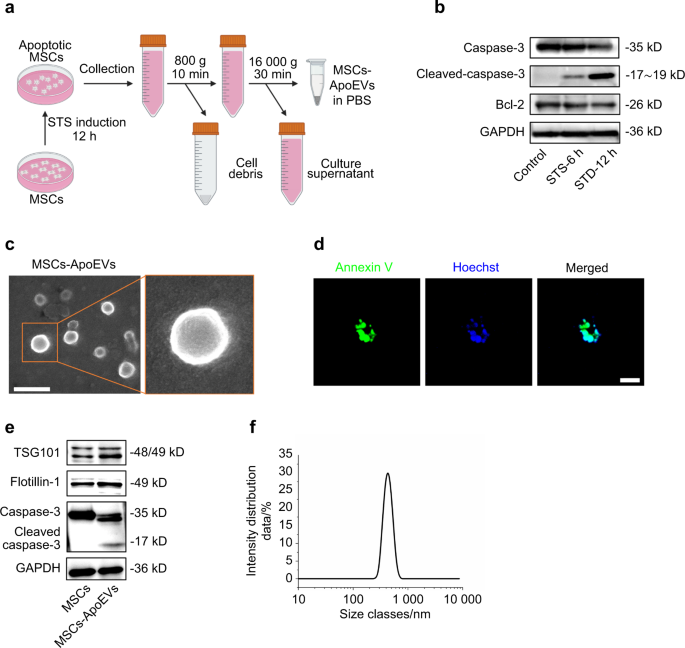
MSCs-derived apoptotic extracellular vesicles promote muscle regeneration by inducing Pannexin 1 channel-dependent creatine release by myoblasts
View on Web

Δημοφιλείς αναρτήσεις