Πέμπτη 28 Ιουλίου 2022

Facial nerve palsy: Narrative review on the importance of the eye and its assessment

alexandrossfakianakis shared this article with you from Inoreader

Abstract

New solutions are emerging that address specific facial regions in facial nerve palsy (FNP). However the most dreaded consequence of FNP is paralytic lagophthalmos threatening the eye. A way to prioritize these regions is thus required. A review of the literature is conduced to capture the current concepts in evaluating FNP. Overall, patients are assessed from three perspectives: from the clinician's perspective using validated clinician-based grading instruments, from patient's perspective based on FNP-specific patient-reported outcome measures, and from the perspective of the layperson. The existing tools however provide limited information regarding the relative importance of different regions of the face. The eye appears to be an area of great concern for the patient where most surgical therapies are directed at. Addressing ocular problems in FNP carry a high priority but this is not clearly reflected by the standard systems.

View on Web

STATIN USE MAY BE ASSOCIATED WITH A LOWER RISK OF INVASIVE ASPERGILLOSIS IN LUNG TRANSPLANT RECIPIENTS

alexandrossfakianakis shared this article with you from Inoreader
Abstract
Background
Statins are competitive inhibitors of HMG-CoA reductase that catalyses HMG-CoA conversion to mevalonate, a process involved in synthesizing cholesterol in humans and ergosterol in fungi. The effect of statin use on the risk of development of invasive aspergillosis (IA) in lung transplant recipients (LTRs) is not well documented.
Methods
This retrospective study included LTRs from 2010 to 2017 who were followed for one-year post-transplant. Proven or probable IA was diagnosed as per ISHLT criteria. We performed a multivariable Cox proportional hazards model of the association between IA and statin use (minimum of two weeks duration prior to IA), adjusting for other known IA risk factors.
Results
We identified 785 LTRs, 44% female, mean age 53 years old, the most common underlying disease being pulmonary fibrosis (23.8%). 451 LTRs (57%) received statins post-transplant, atorvastatin was the most commonly used statin (68%). The mean duration of statins post-transplant was 347 days (IQR: 305 to 346). 55 (7%) LTRs developed IA in the first-year post-transplant. Out of these 55 LTRs, 9 (16.3%) had received statin before developing IA. In multivariable analysis, statin use was independently associated with a lower risk of IA (p = 0.002, SHR 0.30, CI 95% 0.14-0.64). Statin use was also associated with a lower incidence of post-transplant Aspergillus colonization, 114 (34%) in the no statin group vs. 123 (27%) in the statin group (p = 0.038).
Conclusions
The use of statin for a minimum of two weeks during the first-year post-transplant was associated with a 70% risk reduction of IA in LTRs.
View on Web

Τετάρτη 27 Ιουλίου 2022

Neuropsychological, behavioral, and quality‐of‐life outcomes in children and adolescents with sickle cell disease treated with nonmyeloablative matched sibling donor hematopoietic cell transplantation: A case series

alexandrossfakianakis shared this article with you from Inoreader

Abstract

Background/objectives

Despite advances in the treatment of sickle cell disease (SCD), cerebrovascular and cognitive insults can have lifelong consequences. Hematopoietic cell transplantation (HCT) is an established curative therapy, and recent studies have demonstrated efficacy with reduced toxicity nonmyeloablative (NMA) regimens, but little is known about neuropsychological outcomes. The objective of this study was to describe neuropsychological, behavioral, and quality-of-life outcomes with medical correlates in children with SCD who received an NMA matched sibling donor (MSD) HCT.

Design/methods

Retrospective cohort analysis of nine recipients with hemoglobin SS SCD who underwent MSD HCT using the National Institutes of Health (NIH) NMA protocol.

Results

Mean full-scale intellectual functioning (FSIQ) was average pre-HCT (FSIQ = 92.1, SD 9.0; n = 8) and 2 years post-HCT (mean FSIQ = 96.6; SD 11.1; N = 9). Neuropsychological functioning was largely average across all cognitive domains, and no pre/post-HCT differences were found to be statistically significant given the small sample size. However, effect sizes revealed moderate improvements in processing speed (Cohen's d = .72) and verbal memory (Cohen's d = .60) post-HCT, and declines in measures of attention (Cohen's d = −.54) and fine motor speed and dexterity (Cohen's d = −.94). Parents endorsed better quality of life (Cohen's d = .91), less impact of SCD on their family, and less worry about their child's future (Cohen's d = 1.44).

Conclusion

Neuropsychological functioning in a sample of children and adolescents treated uniformly with NMA MSD HCT remained stable or improved in most cognitive domains, and improvements in quality of life and family functioning were observed.

View on Web

Pharmacokinetic and pharmacodynamic simulation for the quantitative risk assessment of linezolid‐associated thrombocytopenia

alexandrossfakianakis shared this article with you from Inoreader
Pharmacokinetic and pharmacodynamic simulation for the quantitative risk assessment of linezolid-associated thrombocytopenia

Utility of safety target achievement rate based on PK/PD simulation for predicting linezolid-induced thrombocytopenia-stratified on the duration of linezolid therapy.


Abstract

What Is Known and Objective

Linezolid (LZD) may cause thrombocytopenia, which can result in discontinuation of treatment. In this study, the blood LZD trough concentration was estimated based on population pharmacokinetic (PK) parameters derived from two previously published models in the Japanese population to determine the rate of achieving the target trough value when the risk of thrombocytopenia is low and to clarify its relationship with the onset of thrombocytopenia.

Methods

This study included adult patients hospitalized at Shimane University Hospital, who received LZD treatment for at least 4 days from January 2010 to December 2017. Patients whose platelet count fell below 70% before LZD administration were categorized as the thrombocytopenic group. Patient PK parameters were calculated based on the population PK models described by Matsumoto et al. and Sasaki et al., and these parameters were designated A and B, respectively. Based on these parameters, the rate of achieving an LZD trough concentration of less than 8 μg/ml, which is the safety target achievement rate, was calculated using a random simulation for each patient. We further analysed the association between the incidence of thrombocytopenia and patient factors, including safety target achievement rate, through univariate, multivariate, and receiver operating characteristic (ROC) analyses.

Results and Discussion

Patients (n = 77) aged 72 ± 11 years and weighing 56.7 ± 10.9 kg, with a creatinine clearance (CLcr) of 60.5 ± 47.2 ml/min and a cirrhosis prevalence of 9.1%, were analysed. All patients received LZD at a dose of 600 mg twice daily for a total of 10.9 ± 8.9 days. Univariate analyses revealed significant differences (p < 0.05) in the duration of LZD therapy, serum creatinine, creatinine clearance, LZD clearance, and the safety target achievement rate for parameters A and B between the thrombocytopenic and non-thrombocytopenic groups. A multivariate analysis of these factors stratified with the cutoff values obtained by ROC analysis revealed that the duration of LZD therapy and the safety target achievement rates for parameters A and B were significant factors (odds ratios for duration of LZD therapy: 7.436 [95% confidence interval (CI): 1.918–28.831] and 4.712 [95% CI: 1.567–14.163]; odds ratio for safe ty target achievement rate: 0.060 [95% CI: 0.016–0.232] and 0.167 [95% CI: 0.056–0.498] for parameters A and B, respectively). When the safety target achievement rates for patients treated with LZD were compared between the thrombocytopenic and non-thrombocytopenic groups, the safety target achievement rate was higher in the non-thrombocytopenic group in both the patients treated with LZD for less than 10 days and those for 10 days or more.

Therefore, the safety target achievement rate estimated by the PK/PD simulation may represent to be an important index for risk assessment of LZD-induced thrombocytopenia.

What Is New and Conclusion

The risk of LZD-induced thrombocytopenia, which increased with the duration of LZD therapy, may be predicted using the safety target achievement rate obtained by the blood concentration simulation.

View on Web

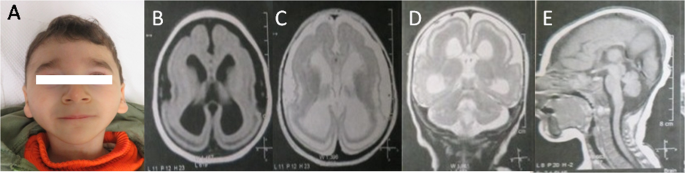
A homozygous loss-of-function variant in BICD2 is associated with lissencephaly and cerebellar hypoplasia

alexandrossfakianakis shared this article with you from Inoreader

10038_2022_1060_Fig1_HTML.png

View on Web

Τρίτη 26 Ιουλίου 2022

Reinfection with SARS‐CoV‐2 in general population,

alexandrossfakianakis shared this article with you from Inoreader

Abstract

To better understand epidemiology of SARS-CoV-2 reinfections, we analyzed national data from South Korea n who were followed longitudinally from January 2020 to April 2022. We conducted a nationwide retrospective cohort study to estimate possible SARS-CoV-2 reinfection rates in all residents in South Korea, with at least two episodes of laboratory-confirmed SARS-CoV-2 infection by reverse-transcriptase polymerase chain reaction (RT-PCR) or rapid antigen test (RAT) performed at least 45 or more days between both episodes, between January 2020 and April 2022. There were 1,6130,855 laboratory-confirmed SARS-CoV-2 cases in South Korea, with 55,841 (346.2 per 100,000; or 0.3% of all infections) were cases of possible reinfections. Reinfection rate has increased from 6.0 cases per 100,000 during Pre-Delta period to 128.0 cases per 100,000 and 355.1 cases per 100,000 during Delta and Omicron periods, respectively. Persons with one dose of vaccination had the highes t reinfection rate of 642.2 per 100,000, followed by unvaccinated persons (536.2/100,000) and two-dose vaccinated persons (406.3/100,000). Our finding suggests the majority of possible reinfections occurred following emergence of new variants.

This article is protected by copyright. All rights reserved.

View on Web

Potential Clinical Utility of a Targeted Circulating Tumor DNA Assay in Esophageal Adenocarcinoma

alexandrossfakianakis shared this article with you from Inoreader
imageObjective: To explore the clinical utility of circulating tumor DNA (ctDNA) in esophageal adenocarcinoma (EAC) by developing a cost-effective and rapid technique utilising targeted amplicon sequencing. Summary of background data: Emerging evidence suggests that levels of ctDNA in the blood can be used to monitor treatment response and in the detection of disease recurrence in various cancer types. Current staging modalities for EAC such as computerised tomography of the chest/abdomen/pelvis (CT) and positron emission tomography (PET) do not reliably detect occult micro-metastatic disease, the presence of which signifies a poor prognosis. After curative-intent treatment, some patients are still at high risk of recurrent disease, and there is no widely accepted optimal surveillance tool for patients with EAC. Methods: Sixty-two patients with EAC were investigated for the presence of ctDNA using a tumor-informed approach. We designed a custom targeted amplicon sequencing panel of target specific primers covering mutational foci in 9 of the most commonly mutated genes in EAC. Serial blood samples were taken before and after neoadjuvant treatment (NAT), and during surveillance. Results: Somatic mutations were detected in pre-treatment biopsy samples of 55 out of 62 (89%) EAC patients. Mutations in TP53 (80%) were the most common. Out of these 55 patients, 20 (36%) had detectable ctDNA at baseline. The majority (90%) of patients with detectable ctDNA had either locally advanced tumors, nodal involvement or metastatic disease. In patients with locally advanced tumors, disease free survival (DFS) was more accurately stratified using pre-treatment ctDNA status [HR 4.34 (95% CI 0.93–20.21); P = 0.05] compared to nodal status on PET-CT. In an exploratory subgroup analysis, patients who are node negative but ctDNA positive have inferior DFS [HR 11.71 (95% CI 1.16-118.80) P = 0.04]. In blood samples taken before and following NAT, clearance of ctDNA after NAT was associated with a favourable response to treatment. Furthermore, patients who are ctDNA positive during post-treatment surveillance are at high risk of relapse. Conclusions: Our study shows that ctDNA has potential to provide additional prognostication over conventional staging investigation such as CT and PET. It may also have clinical utility in the assessment of response to NAT and as a biomarker for the surveillance of recurrent disease.
View on Web

Δημοφιλείς αναρτήσεις