Τρίτη 5 Απριλίου 2022

Between a Rock and a Hard Place: Anticoagulating an Adolescent with Post-Tonsillectomy Massive PE: A Case Report

paythelady.61 shared this article with you from Inoreader
Annals of Otology, Rhinology &Laryngology, Ahead of Print.
Objectives:To report a case of a morbidly obese 17-year-old boy who presented 4 days post-tonsillectomy with acute deep venous thromboses and a massive pulmonary embolism. To describe a protocol and decision-making tree for providing anticoagulation in the immediate post-tonsillectomy period.Methods:A chart review and review of the literature.Results:The patient ultimately did well and had no bleeding from the tonsil beds or further thromboembolic complications. A review of the literature revealed no available data regarding the safety of anticoagulation in the immediate post-tonsillectomy period.Conclusions:We propose that if anticoagulation is needed within 14 days of tonsillectomy, submaximal anticoagulation with a reversible and titratable anticoagulant may be optimal. A multidisciplinary team approach is needed for these complex cases. Future reporting and investigation of anticoagulation post-tonsillec tomy is needed.
View on the web

Quantitative proteomics in medication‐related osteonecrosis of the jaw: a proof‐of‐concept study

paythelady.61 shared this article with you from Inoreader

ABSTRACT

Objective

Medication-related osteonecrosis of the jaw (MRONJ) is a paradoxical effect associated with bone modifying agents (BMAs) and other drugs. Currently no valuable diagnostic or prognosis biomarkers exist. This goal of this research was to study MRONJ related salivary proteome.

Materials and Methods

This case-control aimed to study salivary proteome in MRONJ versus control groups i) formed from BMAs consumers and ii) healthy individuals to unravel biomarkers. 38 samples of unstimulated whole saliva (18 MRONJ patients, 10 BMA consumers, and 10 healthy controls) were collected. Proteomic analysis by SWATH-MS coupled to bioinformatics analysis was executed.

Results

586 proteins were identified, 175 proteins showed significant differences among MRONJ versus controls. SWATH-MS revealed differentially expressed proteins among three groups, which have never isolated. These proteins had distinct roles including cell envelope organization, positive regulation of vesicle fusion, positive regulation of receptor binding, or regulation of low-density lipoprotein particle clearance. Integrative analysis prioritised 3 proteins (MMP9, AACT and HBD). Under receiver operating characteristic analysis, this panel discriminated MRONJ with a sensitivity of 90% and a specificity of 78.9%.

Conclusion

These findings may inform of a novel biomarker panel for MRONJ prediction or diagnosis. Nonetheless, further research is needed to validate this panel.

View on the web

Applications of maxillary tuberosity block autograft

paythelady.61 shared this article with you from Inoreader

Abstract

Objective

Autogenous bone grafts are considered the gold standard due to their compatibility and osteogenic potential to induce new bone formation through osteogenesis, osteoinduction, and osteoconduction. The aim of this paper was to describe clinical applications of the maxillary tuberosity block autograft in small and moderate localized defects of the alveolar process around implants and teeth.

Clinical Considerations

Maxillary tuberosity is often used as a particulate graft for augmentation of deficient alveolar ridge or maxillary sinus prior to or simultaneously with implant insertion, but not as a bone block graft. The maxillary tuberosity block autograft may also provide a valuable bone source for challenging situations such as immediate implant placement into types II and III extraction sockets, treatment of horizontal and vertical bone defects with simultaneous implantation, reconstruction of circumferential defects around implants, and preservation of alveolar ridge.

Conclusions

The advantages of the maxillary tuberosity include intraoral corticocancellous autogenous graft with fewer intraoperative difficulties, no need for donor site restoration, less morbidity, and an excellent correction of localized alveolar ridge defects.

Clinical Significance

Within the limitations of the presented case reports, the use of maxillary tuberosity block autograft has shown to be successful in alveolar ridges augmentation that lack both width and height.


View on the web

Comparison of Responses to DCN vs. VCN Stimulation in a Mouse Model of the Auditory Brainstem Implant (ABI)

paythelady.61 shared this article with you from Inoreader

Abstract

The auditory brainstem implant (ABI) is an auditory neuroprosthesis that provides hearing to deaf patients by electrically stimulating the cochlear nucleus (CN) of the brainstem. Whether such stimulation activates one or the other of the CN's two major subdivisions is not known. Here, we demonstrate clear response differences from the stimulation of the dorsal (D) vs. ventral (V) subdivisions of the CN in a mouse model of the ABI with a surface-stimulating electrode array. For the DCN, low levels of stimulation evoked multiunit responses in the inferior colliculus (IC) that were unimodally distributed with early latencies (avg. peak latency of 3.3 ms). However, high levels of stimulation evoked a bimodal distribution with the addition of a late latency response peak (avg. peak latency of 7.1 ms). For the VCN, in contrast, electrical stimulation elicited multiunit responses that were usually unimodal and had a latency similar to the DCN's late respon se. Local field potentials (LFP) from the IC showed components that correlated with early and late multiunit responses. Surgical cuts to sever the output of the DCN, the dorsal acoustic stria (DAS), gave insight into the origin of these early and late responses. Cuts eliminated early responses but had little-to-no effect on late responses. The early responses thus originate from cells that project through the DAS, such as DCN's pyramidal and giant cells. Late responses likely arise from the spread of stimulation from a DCN-placed electrode array to the VCN and could originate in bushy and/or stellate cells. In human ABI users, the spread of stimulation in the CN may result in abnormal response patterns that could hinder performance.

View on the web

Δευτέρα 4 Απριλίου 2022

Occlusal schemes for complete dentures

paythelady.61 shared this article with you from Inoreader

Message:

APR
4
2022Profile photo of Derek Richards
Posted by
Derek Richards
shutterstock_13679275
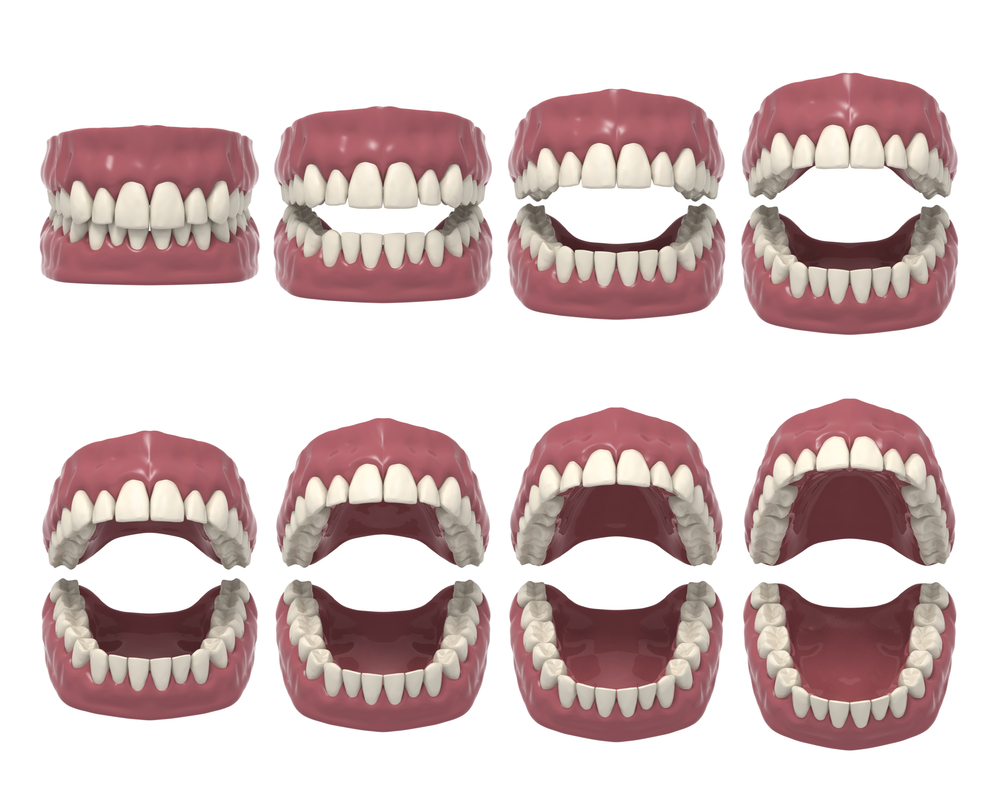
Occlusal schemes for complete dentures may influence clinical performance and patient satisfaction. Patient characteristics such as alveolar ridge shape and height also influence choice of scheme. There are several schemes to choose from including bilateral balanced, lingualised, canine guidance, group function, and monoplane. A number of studies and reviews have been conducted but a consensus on an ideal occlusal scheme if lacking.

The aim of this overview was to assess the methodological quality and summarize the scientific evidence from secondary studies about the influence of occlusal schemes on the clinical performance of and patient satisfaction with complete dentures.

Methods
A protocol for the review was registered with PROSPERO. Searches were carried out in the Cochrane Library, PubMed, Embase, LILACS, Scopus, the Web of Science, PROSPERO, Google Scholar and Open Science Framework databases. Systematic reviews that included randomized or non-randomized clinical trials evaluating conventional complete dentures with different occlusion schemes on clinical performance and patient satisfaction were considered. Two reviewers independently selected studies and extracted data with disagreements being resolved by a third reviewers. The AMSTAR 2 tool was used to assess the quality of the reviews. The effect of each occlusal scheme in comparison with others was summarized and classified as positive, neutral, negative, or inconclusive based on the conclusions of the systematic review concerning clinical performance and patient satisfaction outcomes.

Results
10 systematic reviews were included.
All 10 reviews included randomised controlled trials (RCTs) 5 also included prospective studies, 2 included other systematic reviews, 2 included clinical studies involving partial dentures or implants.
No meta-analyses were presented in any of the 10 reviews.
Confidence in the reviews was rated as critically low for 7 reviews, low for 2 reviews and moderate for one review using the AMSTAR 2 tool.
Summary suggested that occlusal schemes may influence objective and subjective clinical performance and patients' satisfaction.
Conclusions
The authors concluded: –

.occlusal schemes might interfere with the clinical performance of and patient satisfaction with complete dentures. Lingualized, bilateral balanced, and canine guidance are preferred compared with monoplane occlusion, but lingualized occlusion tends to show better results in some reviews. However, the results should be carefully considered because of the low quality of the systematic reviews included.

shutterstock_13679275.jpg

This overview of reviews of the influence of occlusal schemes on the clinical performance of and patient satisfaction with complete dentures included 10 systematic reviews. While the findings suggest that occlusal schemes might interfere with the clinical performance the results should be carefully considered because of the low quality of the systematic reviews included.

The post Occlusal schemes for complete dentures appeared first on National Elf Service.

View on the web

Occlusal schemes for complete dentures

paythelady.61 shared this article with you from Inoreader

shutterstock_13679275.jpg

This overview of reviews of the influence of occlusal schemes on the clinical performance of and patient satisfaction with complete dentures included 10 systematic reviews. While the findings suggest that occlusal schemes might interfere with the clinical performance the results should be carefully considered because of the low quality of the systematic reviews included.

The post Occlusal schemes for complete dentures appeared first on National Elf Service.

View on the web

Does social support predict increased use of dental services in older men?

paythelady.61 shared this article with you from Inoreader

Abstract

Background

Past research on social support and dental visits in older people has been limited by cross-sectional design, limited social support dimensions, and non-representative samples.

Methods

Data came from men with natural teeth completing Waves 3 and 4 of the Concord Health and Ageing in Men Project (CHAMP) in Sydney, Australia. The relationship between social support at Wave 3 (2011-2012) and at least one dental visit per year at Wave 4 (2014-2016) was examined by Poisson regression. Social support was measured by structural (marital status, living arrangements, family support, social interaction) and functional (social support satisfaction) domains.

Results

There were 673 men analysed. Structural and functional social support were not associated with the pattern of usual dental visits five years later in univariable or multivariable analyses. The only consistent significant factor was income source, with older men who had other sources of income more likely to regularly visit the dentist than older men solely reliant on the pension for income (PR: 1.31, 95% CI: 1.13 – 1.52).

Conclusions

We found no differences in the pattern of usual dental visits between older men with different levels and types of social support. For older Australian men, income source seems to be the most important determinant of regular dental visits. © 2022 Australian Dental Association

View on the web

Δημοφιλείς αναρτήσεις