Τετάρτη 26 Οκτωβρίου 2022

Influence of genetic polymorphisms on mechanical pain sensitivity and endogenous pain modulation of trigeminal and spinal areas

alexandrossfakianakis shared this article with you from Inoreader

Abstract

Background

Previous evidence indicates significant association between genetic polymorphisms and phenotypes related to pain sensitivity in patients with temporomandibular disorders (TMD). Despite the important advances in cataloging diverse factors such as sleep disorders, anxiety and depression, the interrelated mechanisms of painful TMD etiopathogenesis still need investigation.

Objectives

This case-control study aimed to evaluate the influence of genetic polymorphisms (rs6296, rs6295, rs1799971, rs4680, rs4633, rs4818) and psychosocial factors on the mechanical pain sensitivity and endogenous pain modulation in women with painful TMD and asymptomatic controls.

Methods

We evaluated six independent variables: anxiety levels, depression, stress, sleep quality, pain catastrophizing and genetic polymorphisms, and four dependent variables: mechanical pain threshold (MPT), pressure pain threshold (PPT), wind-up ratio (WUR) and conditioned pain modulation (CPM) collected at masseter (trigeminal) and hand (spinal) areas in a sample of 95 painful TMD patients and 85 controls. A regression model was used to test the possible effect of the independent variables on dependent variables.

Results

The regression model was significant for MPT (F11,168 = 9.772; R2=0.390). Painful TMD diagnoses and sleep quality were associated with trigeminal MPT (B coefficient = -0.499; and B coefficient = -0.211, respectively). WUR was associated with rs6295 and rs6746030 for, respectively, the spinal and trigeminal area.

Conclusion

Genetic polymorphisms had a slight contribution to endogenous pain modulation as indicated by the significant association with WUR but did not contribute to mechanical pain sensitivity. On the other hand, the presence of painful TMD and the sleep quality contributed significantly to mechanical pain sensitivity.

View on Web

Τρίτη 25 Οκτωβρίου 2022

Second‐degree burn induced by high‐concentration topical capsaicin with mobility sequelae: a case report

alexandrossfakianakis shared this article with you from Inoreader

Abstract

High-concentration topical capsaicin is used as a second line treatment for neuropathic pain. Transient, mild burning sensation and erythema are expected adverse drug reactions. Here, we report the first case of second degree burn after the application of a high-concentration topical capsaicin patch with secondary mobility sequelae. Nine months after the application, neuropathic pain still remained and the patient described mobility difficulties in daily activities, preventing her from returning to work. This report aims to raise the question of the benefit/risk ratio of high concentration topical capsaicin.

View on Web

Tone in Noise Detection in Children with a History of Temporary Conductive Hearing Loss

alexandrossfakianakis shared this article with you from Inoreader
AbstractChildren with a history of temporary conductive hearing loss (CHL) during early development may show long-term impairments in auditory processes that persist after restoration of normal audiometric hearing thresholds. Tones in noise provide a simplified paradigm for studying hearing in noise. Prior research has shown that adults with sensorineural hearing loss may alter their listening strategy to use single-channel energy cues for tone-in-noise (TIN) detection rather than rove-resistant envelope or spectral profile cues. Our objective was to determine the effect of early CHL on TIN detection in healthy children compared to controls. Children ages 4 –7 years, with and without a history of CHL due to otitis media with effusion (OME) before age 3 years, participated in a two-alte...
View on Web

Δευτέρα 24 Οκτωβρίου 2022

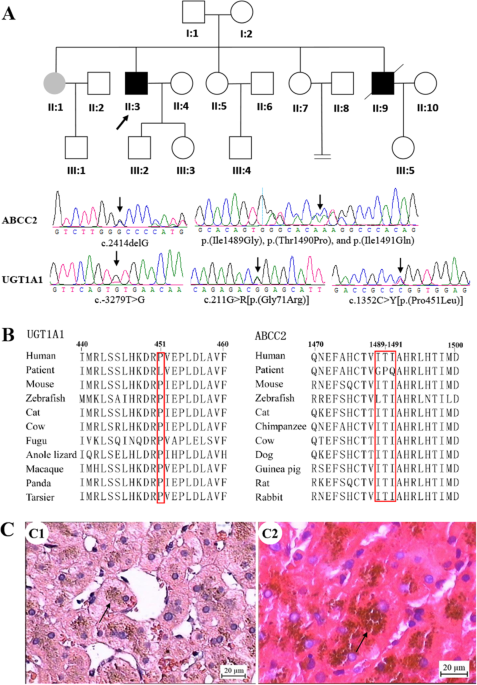
Concurrence of novel mutations causing Gilbert’s and Dubin–Johnson syndrome with poor clinical outcomes in a Han Chinese family

alexandrossfakianakis shared this article with you from Inoreader

10038_2022_1086_Fig1_HTML.png

Journal of Human Genetics, Published online: 24 October 2022; doi:10.1038/s10038-022-01086-1

Concurrence of novel mutations causing Gilbert's and Dubin–Johnson syndrome with poor clinical outcomes in a Han Chinese family
View on Web

Association between circulating 25‐hydroxyvitamin D metabolites and periodontitis: Results from the NHANES 2009‐2012 and Mendelian randomization study

alexandrossfakianakis shared this article with you from Inoreader

Abstract

Aim

This study sought to investigate associations of 25(OH)D metabolites with periodontitis, and to assess causality using Mendelian randomization (MR).

Methods

This study included 7,246 participants of the National Health and Nutrition Examination Survey, 2009–2012. The association of periodontitis with 25(OH)D metabolites was assessed using multivariable logistic regression analysis. 2-sample MR for 25(OH)D, 25(OH)D3, and C3-epi-25(OH)D3 with periodontitis (n = 17,353 cases/28,210 controls) was conducted. The principal analysis was inverse-variance-weighted approach. We controlled for horizontal pleiotropy using five additional methods.

Results

Based on the observational study, each 1-point increase in standard deviation of 25(OH)D lowered the risk of periodontitis by 15% (OR = 0.85, 95% CI: 0.78–0.93, P = 0.006) after multivariable adjustment. A similar relationship was observed between 25(OH)D3 and periodontitis (OR = 0.88, 95% CI: 0.80–0.97, P = 0.031). Furthermore, a potential nonlinear association was found between periodontitis with both 25(OH)D and 25(OH)D3. However, C3-epi-25(OH)D3 was not found to be associated with periodontitis risk. IVW-MR showed that periodontitis risk was not significantly associated with genetically increased levels of 25(OH)D (OR = 1.02, 95% CI: 0.90–1.16, P = 0.732), 25(OH)D3 (OR = 1.04, 95% CI: 0.93–1.17, P = 0.472), and C3-epi-25(OH)D3 (OR = 1.11, 95% CI: 0.87–1.41, P = 0.400). The pleiotropy-robust MR approaches yielded similar results after we had eliminated the variants with horizontal pleiotropy risk.

Conclusion

Cross-sectional observational analysis identified significant relationships between periodontitis with 25(OH)D metabolites, while findings based on MR study do not support a causal role.

This article is protected by copyright. All rights reserved.

View on Web

Κυριακή 23 Οκτωβρίου 2022

A minimally invasive method for titanium mesh fixation with resorbable sutures in guided bone regeneration: A retrospective study

alexandrossfakianakis shared this article with you from Inoreader

Abstract

Objectives

Titanium mesh has become a mainstream choice for guided bone regeneration (GBR) owing to its excellent space maintenance. However, the traditional fixation method using titanium screws impacts surgery efficiency and increases patient trauma. We report a novel method of fixing a titanium mesh using resorbable sutures. We assessed the feasibility of resorbable sutures for fixing a titanium mesh and whether it can serve as a stable, universal, and minimally invasive fixation method for a broader application of titanium meshes.

Methods

Patients undergoing GBR with a digital titanium mesh fixed using titanium screws (TS group) and resorbable sutures (RS group) were observed at different time points. The stability of the fixation methods was evaluated on parameters such as titanium mesh spatial displacement, bone augmentation, and bone resorption.

Results

A total of 36 patients were included in this study. The exposure rate of the titanium mesh in the TS group was 16.67%, while no exposure was noted in the RS group. There was no significant difference in the parameters of titanium mesh spatial displacement, bone augmentation, and bone resorption between the two groups (p > 0.05).

Conclusion

The use of resorbable sutures for fixing a titanium mesh can achieve similar results to traditional fixation using titanium screws. Although this new fixation method can improve the efficiency of the surgery and reduce the risk of complications, the long-term clinical effects require further follow-up investigation.

View on Web

Epigenetic upregulation of Schlafen11 renders WNT- and SHH- activated medulloblastomas sensitive to cisplatin

alexandrossfakianakis shared this article with you from Inoreader
Abstract
Background
Intensive chemotherapeutic regimens with craniospinal irradiation have greatly improved survival in medulloblastoma patients. However, survival markedly differs among molecular subgroups and their biomarkers are unknown. Through unbiased screening, we found Schlafen family member 11 (SLFN11), which is known to improve response to DNA damaging agents in various cancers, to be one of the top prognostic markers in medulloblastomas. Hence, we explored the expression and functions of SLFN11 in medulloblastoma.
Methods
SLFN11 expression for each subgroup was assessed by immunohistochemistry in 98 medulloblastoma patient samples and by analyzing transcriptomic databases. We genetically or epigenetically modulated SLFN11 expression in medulloblastoma cell lines and determined cytotoxic response to the DNA damaging agents cisplatin and topoisomerase I inhibitor SN-38 in vitro and in vivo.
Results
High SLFN11 expressing cases exhibited significantly longer survival than low expressing cases. SLFN11 was highly expressed in the WNT-activated subgroup and in a proportion of the SHH-activated subgroup. While WNT activation was not a direct cause of the high expression of SLFN11, a specific hypomethylation locus on the SLFN11 promoter was significantly correlated with high SLFN11 expression. Overexpression or deletion of SLFN11 made medulloblastoma cells sensitive and resistant to cisplatin and SN-38, respectively. Pharmacological upregulation of SLFN11 by the brain-penetrant histone deacetylase-inhibitor RG2833 markedly increased sensitivity to cisplatin and SN-38 in SLFN11-negative medulloblastoma cells. Intracranial xenograft studies also showed marked sensitivity to cisplatin by SLFN11-overexpression in medulloblastoma cells.
Conclusio ns
High SLFN11 expression is one factor which renders favorable outcomes in WNT-activated and a subset of SHH-activated medulloblastoma possibly through enhancing response to cisplatin.
View on Web

Δημοφιλείς αναρτήσεις