Κυριακή 19 Ιουνίου 2022

Vaccine effectiveness of CanSino (Adv5-nCoV) COVID-19 vaccine among childcare workers – Mexico, March–December 2021

alexandrossfakianakis shared this article with you from Inoreader
Abstract
Background
Beginning in March 2021, Mexico vaccinated childcare workers with a single-dose CanSino Biologics (Adv5-nCoV) COVID-19 vaccine. Although CanSino is currently approved for use in 10 Latin American, Asian, and European countries, little information is available about its vaccine effectiveness (VE).
Methods
We evaluated CanSino VE within a childcare worker cohort that included 1,408 childcare facilities. Participants were followed during March–December 2021 and tested through SARS-CoV-2 RT-PCR or rapid antigen test if they developed any symptom compatible with COVID-19. Vaccination status was obtained through worker registries. VE was calculated as 100% × (1−hazard ratio for SARS-CoV-2 infection in fully vaccinated vs. unvaccinated participants), using an Andersen-Gill model adjusted for age, sex, state, and local viral circulation.
Results
The cohort included 43,925 persons who were mostly (96%) femal e with a median age of 32 years; 37,646 (86%) were vaccinated with CanSino. During March–December 2021, 2,250 (5%) participants had laboratory-confirmed COVID-19, of whom 25 were hospitalized and 6 died. Adjusted VE was 20% (95% CI = 10–29%) against illness, 76% (42–90%) against hospitalization, and 94% (66–99%) against death. VE against illness declined from 48% (95% CI = 33–61) after 14–60 days following full vaccination to 20% (95% CI = 9–31) after 61–120 days.
Conclusions
CanSino vaccine was effective at preventing COVID-19 illness and highly effective at preventing hospitalization and death. It will be useful to further evaluate duration of protection and assess the value of booster doses to prevent COVID-19 and severe outcomes.
View on Web

Population immunity to pre-Omicron and Omicron SARS-CoV-2 variants in US states and counties through December 1, 2021

alexandrossfakianakis shared this article with you from Inoreader
Abstract
Background
Both SARS-CoV-2 infection and COVID-19 vaccination contribute to population-level immunity against SARS-CoV-2. This study estimates the immunological exposure and effective protection against future SARS-CoV-2 infection in each US state and county over 2020-2021, and how this changed with the introduction of the Omicron variant.
Methods
We used a Bayesian model to synthesize estimates of daily SARS-CoV-2 infections, vaccination data and estimates of the relative rates of vaccination conditional on infection status to estimate the fraction of the population with (i) immunological exposure to SARS-CoV-2 (ever infected with SARS-CoV-2 and/or received one or more doses of a COVID-19 vaccine), (ii) effective protection against infection, and (iii) effective protection against severe disease, for each US state and county from January 1, 2020, to December 1, 2021.
Results
The estimated percentage of the US populati on with a history of SARS-CoV-2 infection or vaccination as of December 1, 2021, was 88.2% (95% Credible Interval (CrI): 83.6%-93.5%). Accounting for waning and immune escape, effective protection against the Omicron variant on December 1, 2021, was 21.8% (95%CrI: 20.7%-23.4%) nationally and ranged between 14.4% (95%CrI: 13.2%-15.8%, West Virginia) to 26.4% (95%CrI: 25.3%-27.8%, Colorado). Effective protection against severe disease from Omicron was 61.2% (95%CrI: 59.1%-64.0%) nationally and ranged between 53.0% (95%CrI: 47.3%-60.0%, Vermont) and 65.8% (95%CrI: 64.9%-66.7%, Colorado).
Conclusions
While over four-fifths of the US population had prior immunological exposure to SARS-CoV-2 via vaccination or infection on December 1, 2021, only a fifth of the population was estimated to have effective protection against infection with the immune-evading Omicron variant.

View on Web

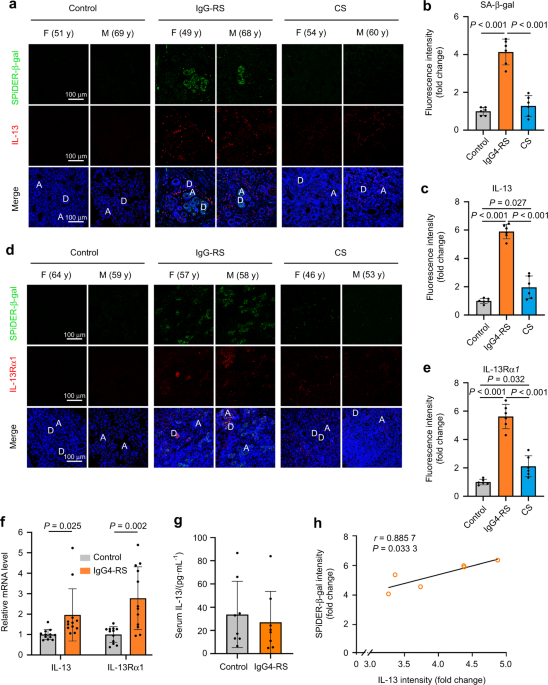
Interleukin-13 promotes cellular senescence through inducing mitochondrial dysfunction in IgG4-related sialadenitis

alexandrossfakianakis shared this article with you from Inoreader

41368_2022_180_Fig1_HTML.png

View on Web

Πέμπτη 16 Ιουνίου 2022

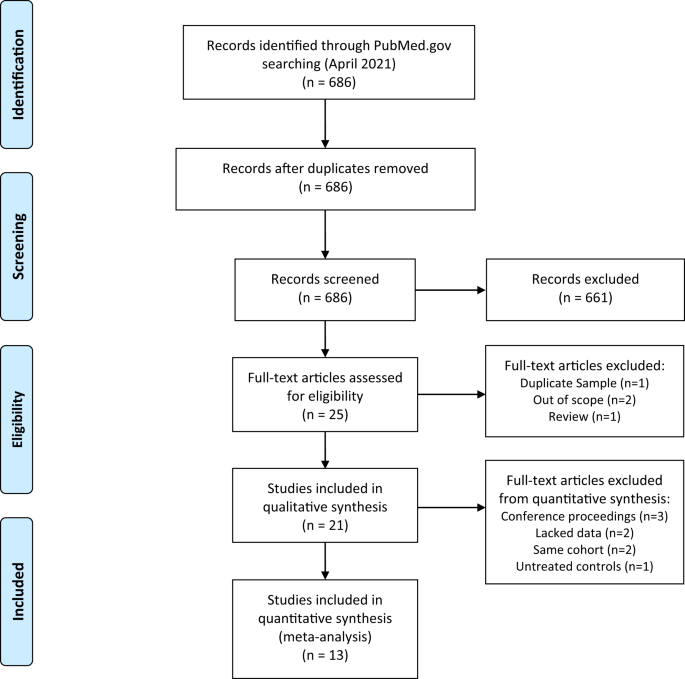
Pharmacogenomics of Clozapine-induced agranulocytosis: a systematic review and meta-analysis

alexandrossfakianakis shared this article with you from Inoreader

41397_2022_281_Fig1_HTML.png

View on Web

Pharmacogenomics of Clozapine-induced agranulocytosis: a systematic review and meta-analysis

alexandrossfakianakis shared this article with you from Inoreader

41397_2022_281_Fig1_HTML.png

The Pharmacogenomics Journal, Published online: 16 June 2022; doi:10.1038/s41397-022-00281-9

Pharmacogenomics of Clozapine-induced agranulocytosis: a systematic review and meta-analysis
View on Web

The role of bacterial corrosion on recolonization of titanium implant surfaces: An in vitro study

alexandrossfakianakis shared this article with you from Inoreader

Abstract

Background

Inflammation triggered by bacterial biofilms in the surrounding tissue is a major etiological factor for peri-implantitis and subsequent implant failure. However, little is known about the direct effects of bacterial corrosion and recolonization on implant failure

Purpose

To investigate the influence of oral commensals on bacterial corrosion and recolonization of titanium surfaces.

Materials and Methods

Streptococcus sanguinis (S. sanguinis) and Porphyromonas gingivalis (P. gingivalis), which are key bacteria in oral biofilm formation, were cultured on commercially pure titanium and titanium-aluminum-vanadium (Ti6Al4V) plates in artificial saliva/brain heart infusion medium under aerobic or anaerobic conditions. Biofilm formation was examined after 7 and 21 days by crystal violet and live/dead staining. Titanium ions released into culture supernatants were analyzed over a period of 21 days by atomic absorption spectrometry. Visual changes in surface morphology were investigated using scanning electron microscopy. Biofilm formation on sterilized, biocorroded, and recolonized implant surfaces was determined by crystal violet staining.

Results

S. sanguinis and P. gingivalis formed stable biofilms on the titanium samples. Bacterial corrosion led to a significant increase in titanium ion release from these titanium plates (p < 0.01), which was significantly higher under aerobic conditions on pure titanium (p ≤ 0.001). No obvious morphological surface changes, such as pitting and discoloration, were detected in the titanium samples. During early biofilm formation, the addition of titanium ions significantly decreased the number of live cells. In contrast, a significant effect on biofilm mass was only detected with P. gingivalis. Bacterial corrosion had no influence on bacterial recolonization following sterilization of titanium and Ti6Al4V surfaces.

Conclusion

Bacterial corrosion differs between oral commensal bacteria and leads to increased titanium ion release from titanium plates. The titanium ion release did not influence biofilm formation or bacterial recolonization under in vitro conditions

View on Web

Δημοφιλείς αναρτήσεις